
How To Make Your Own Cannabis Ointment

Cannabinoids have beneficial properties for the skin and can be effective in treating certain skin conditions. Preparing a Cannabis ointment is quite simple and is an excellent opportunity to take advantage of all the opportunities
Science is only just beginning to understand the many therapeutic benefits of cannabis . In addition to its use for chronic pain relief, anxiety, and stress, there has been a recent trend in using topical cannabis products to provide localized relief. Cannabis salves and creams applied directly to the skin can help reduce acute pain and effectively treat inflammation and various skin conditions.
In this post, we will explore everything there is to know about cannabis salves, how they work, and what benefits they have. We will also look at how you can easily make your own homemade cannabis salves.
WHAT IS A CANNABIS POMADE?
First, let's clear up any confusion about the most commonly used terms. Ointment, balm, cream, and salve are essentially the same thing. According to official medical definitions, each of these products is "a semi-solid preparation for external application to the skin or mucous membranes," which "consists of incorporating medicinal substances into an appropriate vehicle." Or in simpler words, ointments and salve are topical products containing medicinal substances that are administered directly to the skin. In our case, the medicinal substance in question is predominantly the active ingredient cannabidiol (CBD).
What is interesting to know is that topical cannabis salves are not new. The ancient Egyptians used them as medicine to treat skin infections, inflammation, pain, and as a wound disinfectant. As is often the case, the ancient wisdom of using cannabis salves as a natural remedy fell by the wayside, and is only recently resurfacing.
HOW DO CANNABIS OINTMENTS WORK?
Cannabis topicals can contain a variety of active compounds, including THC. However, in the current market, the main cannabinoid in these products is CBD. This active ingredient is believed to have analgesic and anti-inflammatory properties that are beneficial to the skin at a cellular level. Simply put, the CBD in all commercial ointments is present in suspension in an oil-based lipid substance.
When applied to the skin, the cannabinoids contained within these lipids are transported across cell membranes, where they can directly heal cells and tissue layers. The ointments have apparently been shown to be most beneficial for muscle and joint pain, providing localized relief to the area of application. But they have also been shown to effectively treat skin conditions such as eczema, psoriasis, and acne.
HOW TO USE CANNABIS OINTMENTS

Before applying a cannabis ointment to your skin, wash the affected area thoroughly with soap and water. If there is no oil or dirt between the ointment and your skin, the skin will better absorb the beneficial substances contained in the ointment, which will then be able to achieve their intended purpose more efficiently.
A good way to apply a cannabis salve is to gently massage it into the affected area. Give the salve a few minutes to absorb into the skin. Then, cover the treated area with bandages to prevent rubbing it off. If this is your first time using a cannabis topical, be sure to watch for any irritation, redness, or rashes.
Once you have applied the ointment, you will need to be patient. Depending on the problems you want to treat, it can take 1 to 48 hours to notice the desired effects. If necessary, you can reapply the ointment after a day or two.
HOW MUCH CANNABIS OINTMENT SHOULD I USE?
Most people apply cannabis salves generously, but be sure to read the instructions to find out the recommended dosage for the product in question. Young children and the elderly tend to have thinner skin, so they may experience the benefits even with smaller amounts.
THE BENEFITS OF CANNABIS OINTMENTS
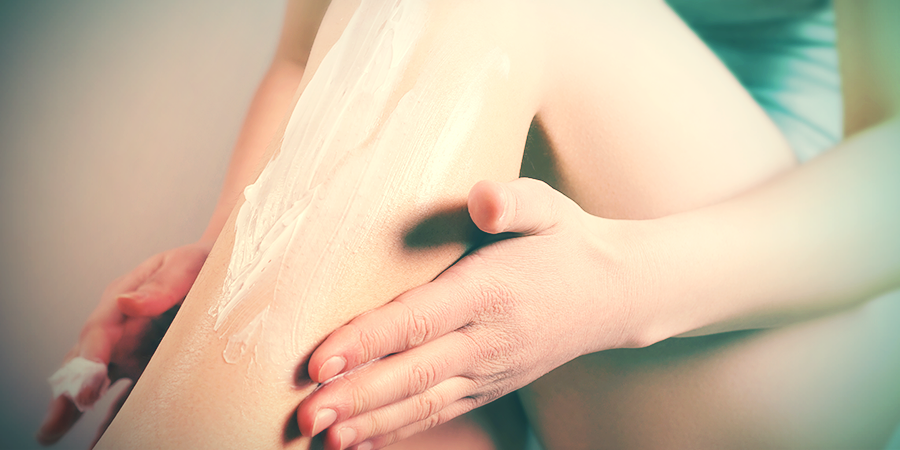
Since cannabis ointments are applied directly to the damaged skin area, they are particularly suitable for all those ailments that require quick and direct relief. You can use them to relieve acute and localized pain in muscles and joints, but also for numerous other skin problems, from psoriasis to dermatitis.
One of the great benefits of using cannabis topicals is that they don’t get you high. The active ingredients in the salves work effectively at a cellular level, but they don’t enter the bloodstream. This means you’ll never feel any psychoactive effects. Additionally, most topicals don’t even contain THC, only CBD. This makes it easy for people to access these products without the fear of breaking the law, treating their ailments at any time of the day without the risk of getting high in the process.
DIFFERENCE BETWEEN CBD OINTMENTS AND CBD OILS
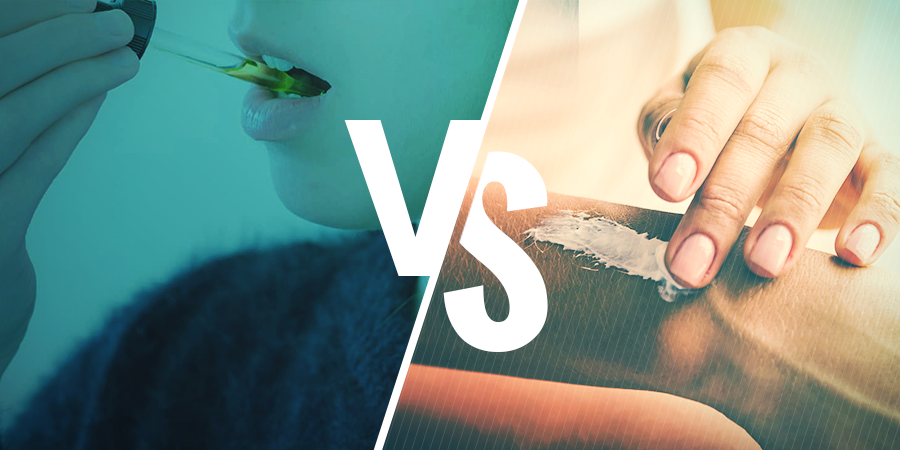
Most CBD oils are intended for oral or sublingual consumption. They usually come with a dropper to make it easier to administer under the tongue (suglingual) or over food (oral). Taking CBD orally can be done for a variety of purposes, such as treating nervousness or anxiety. However, if you are looking to treat localized physical pain or an inflamed area of skin, CBD creams are more effective at providing relief. When taking CBD orally, it takes longer for the compound to take effect. Sublingual administration is quicker, as the oil is absorbed extremely efficiently by the mucous membranes under the tongue, but the relief is shorter.
HOW TO MAKE YOUR OWN CANNABIS OINTMENT
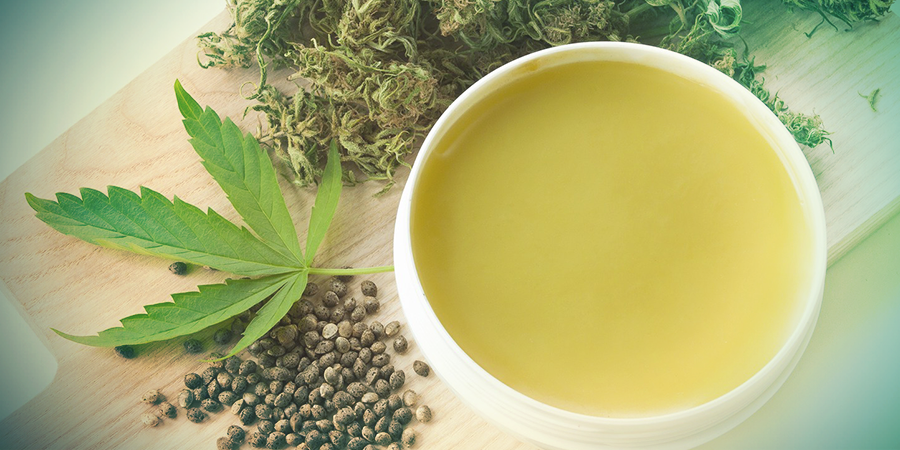
You can easily make your own cannabis salve in the comfort of your own home! The process is very similar to making cannabis butter/oil. Here’s how to make it:
INGREDIENTS
-
10g of dried and ground cannabis (preferably CBD-rich)
-
1 ½ cups coconut oil
-
⅓ cup beeswax
-
Essential oil for flavoring (optional)
INSTRUMENTS
-
Baking tray
-
Pot
-
Large jar
-
Fine mesh sieve or muslin cheesecloth
INSTRUCTIONS
Decarboxylate Cannabis:
-
Preheat oven to 116°C.
-
Spread the cannabis evenly on the baking sheet.
-
Once it reaches temperature, “bake” your cannabis for about 30 minutes, turning it halfway through cooking.
The process just described is called decarboxylation. The heat of the oven will activate the cannabinoids we are interested in.
-
While the cannabis is “cooking” in the oven, pour the coconut oil into a saucepan over low heat and stir constantly.
-
Remove the decarboxylated cannabis from the oven and mix it with the oil in the pot. Keep the heat very low and stir the oil and cannabis mixture for about 20 minutes. If the heat is too high, you risk reducing the potency of your cannabis salve.
-
Remove the cannabis oil from the stove and strain the mixture through a fine mesh sieve or cheesecloth directly into the jar.
-
Place the beeswax in the same pot and melt it over low heat. Slowly add the cannabis oil into the melted beeswax. Stir well.
-
If you want to give a more aromatic touch to your cannabis salve, you can add a few drops of essential oil. Peppermint or tea tree oil can give a refreshing touch.
-
Give the entire beeswax and cannabis oil mixture a good stir and remove from the heat.
-
Transfer the cannabis ointment into appropriate containers and store in a cool, dark place.
SOME MORE TIPS FOR MAKING A CANNABIS OINTMENT
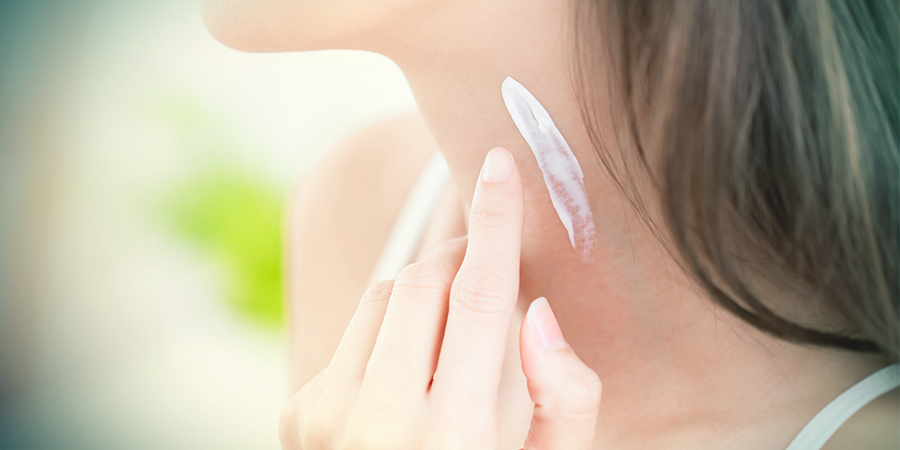
If you suffer from headaches or migraines, you can prepare an effective pain-relieving balm for headaches by adding a few drops of lavender, peppermint, tea tree, and eucalyptus to the mixture of coconut oil and beeswax. Then apply the ointment to your temples and neck.
If you want to make a relaxing balm to help you sleep, add chamomile flowers and dried rose petals. This will make the cannabis salve much more relaxing and calming. Massage it into your feet before bed and you'll sleep like a baby!
If you want an even stronger cannabis salve to treat joint and muscle pain, add a teaspoon of cayenne pepper to the mixture. Caution: Do not apply to the face or around the eyes!
-


